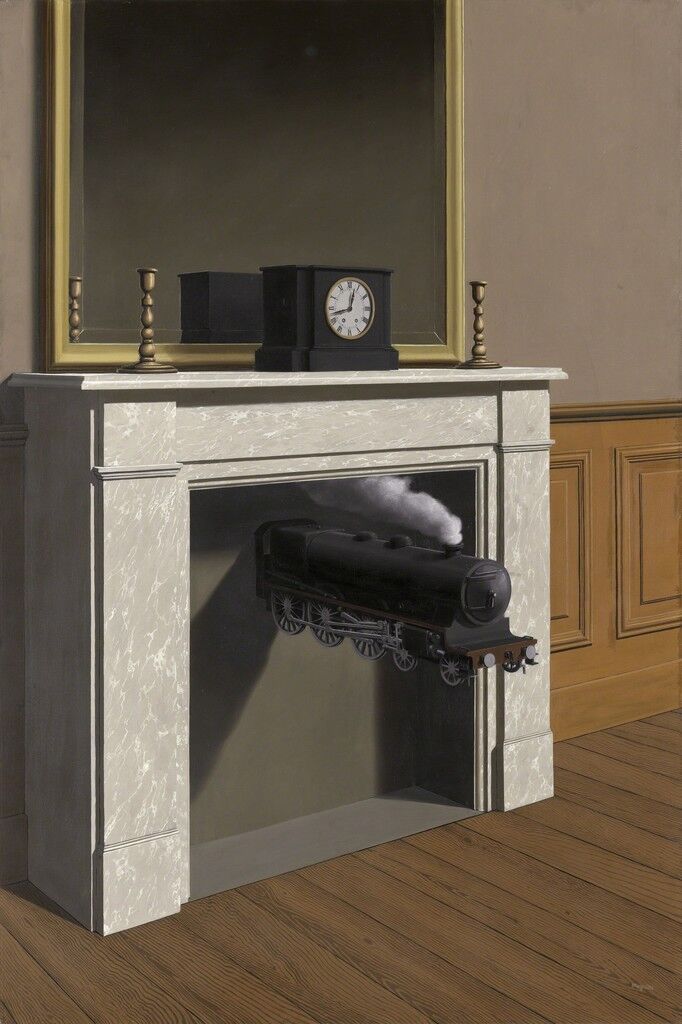
This is why art therapy works. How has art healed you?

The podcast that I interviewed with recently on the TMHS Show is finally live! I spoke with host Aayushi Kulsunge with the Teen Mental Health Society about the psychology of art, creativity, and art therapy. Tune in here!
https://open.spotify.com/episode/7nC6grY7YjZSKzjSAZbHc4?si=45ifBLlVSD2iO_VRRR44Xg

Art is something that can express things beyond words and process traumatic experiences like war. Ukrainian artists share some of their artwork made while their country is under attack to express themselves through creativity.
https://birdinflight.com/plitka/20220311-hudozhniki-zobrazhuyut-vijnu.html
Drawing is My Only Language: Ukrainian Artists Portraying the War
Ira Gryshchenko
March, 12 2022
While the war is still raging, there is hardly any time for reflection. But for many artists, creativity became their only way to speak out, even under these gruesome circumstances. Bird in Flight reached out to Ukrainian artists, asking them to show their works about war and tell their stories.
Kinder Album, artist
There will be a painting that shows our victory, for sure.
Drawing is my way to live through this reality together with all my people. It helps me to control my anxiety and panic, keeps me focused and channels my thoughts in a constructive direction. It’s my contribution to our common fight.
As for now, I have illustrated my experience of sitting in a shelter with young kids, elderly people, and pets. I have painted women, who stop armored vehicles with their bare hands, crowds of refugees on railway stations, burning houses — all the things that break our hearts. I’m planning to carry on with this series, and I’m sure that there will be a painting that shows our victory.


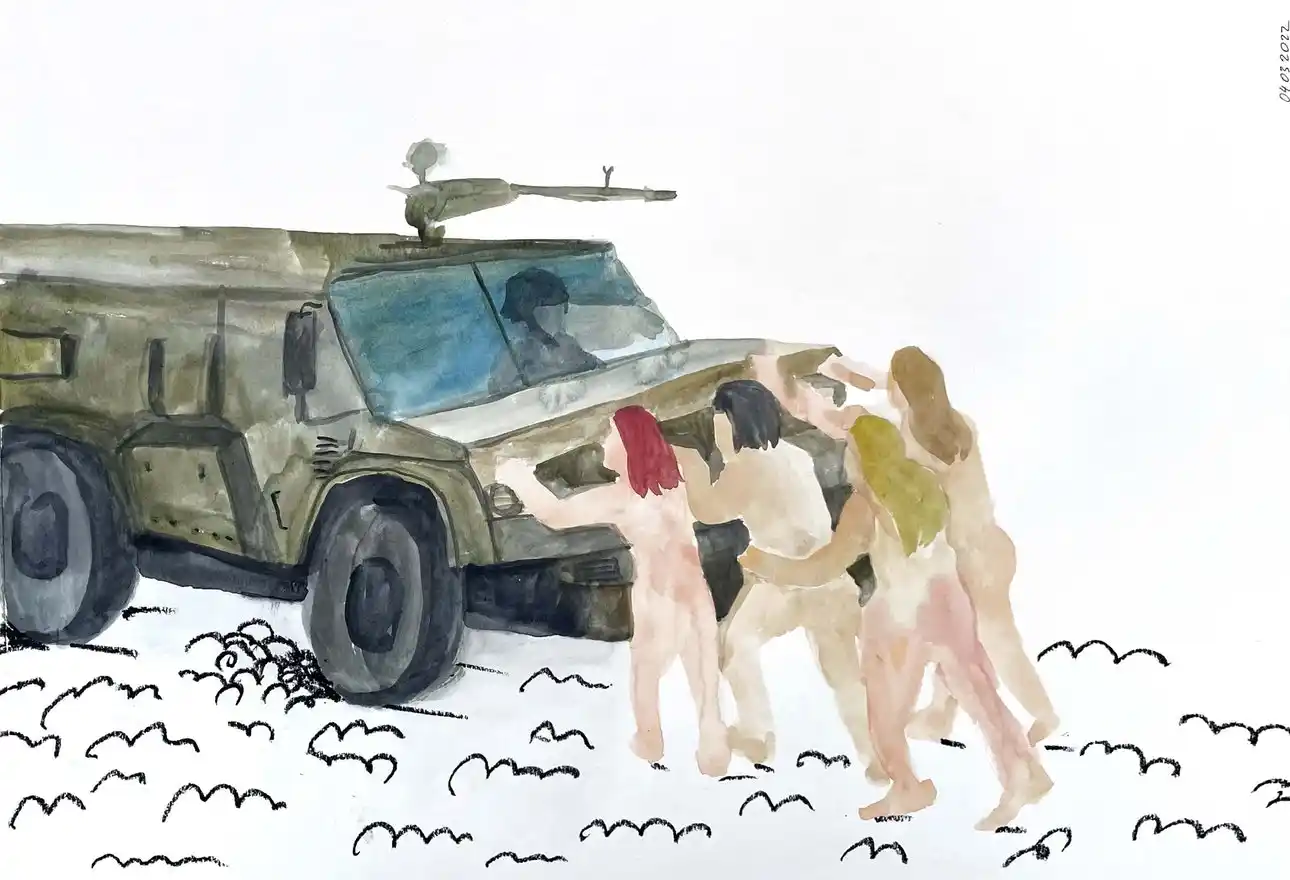
Drawing is not a weapon for me, it’s what keeps me alive.
I felt numb in the first week of war. I still have no words, except for a plea to close our sky and help us with weapons’ supplies. The whole world clearly sees what’s happening now. They see it in every detail. How many more murdered kids and mass graves in Mariupol do they need? How many Ukrainian cities have to be ruined for the world to join this unprecedented violence against our country with real actions, not just words?
Drawing is my only language now. This is how I’m saying what I want to say. It’s not my weapon, it’s what keeps me alive.
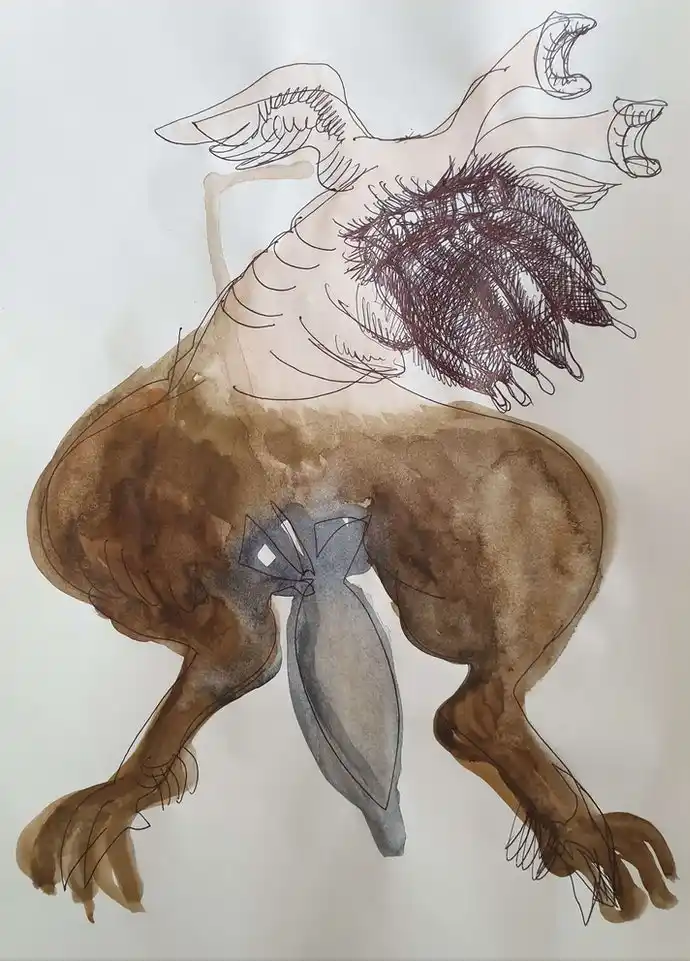


I have neither time, nor materials to create “works”. All I have is my sketchbook.
These sketches show my immediate reaction to the war. I draw them in my sketchbook, which I carry around and use it to put in my thoughts and to-do lists. I took this sketchbook with me, alongside other first-necessity things, when I fled Kyiv to a safer place. It contains all important addresses and phone numbers, so it’s a big help.
Now I have neither time, nor materials to create “works”. All I have is my sketchbook. One of the drafts is dedicated to Putin and all Russian people. I put an equation mark between them. I think that the war in Ukraine should be blamed not only on Putin, but on all the Russians, who let him rule their country. “It’s not Russia, it’s Putin who did it”. That was Kateryna Dyogot’s, a well-known Russian critic and art manager, comment on the shelling of the Holocaust Memorial Babyn Yar. Such a reaction of detachment and not understanding their own responsibility for the war in Ukraine says a lot. And I made a sketch of this episode, which shows Putin’s head growing bigger and bigger with rage and wickedness.
The second drawing is my curse for a Russian monster-soldier and his whole family. He stormed into a free country that didn’t call for him. My fury is encapsulated in this sketch. I don’t like to be furious, but that’s what I’m feeling right now and I have every right to feel this way.


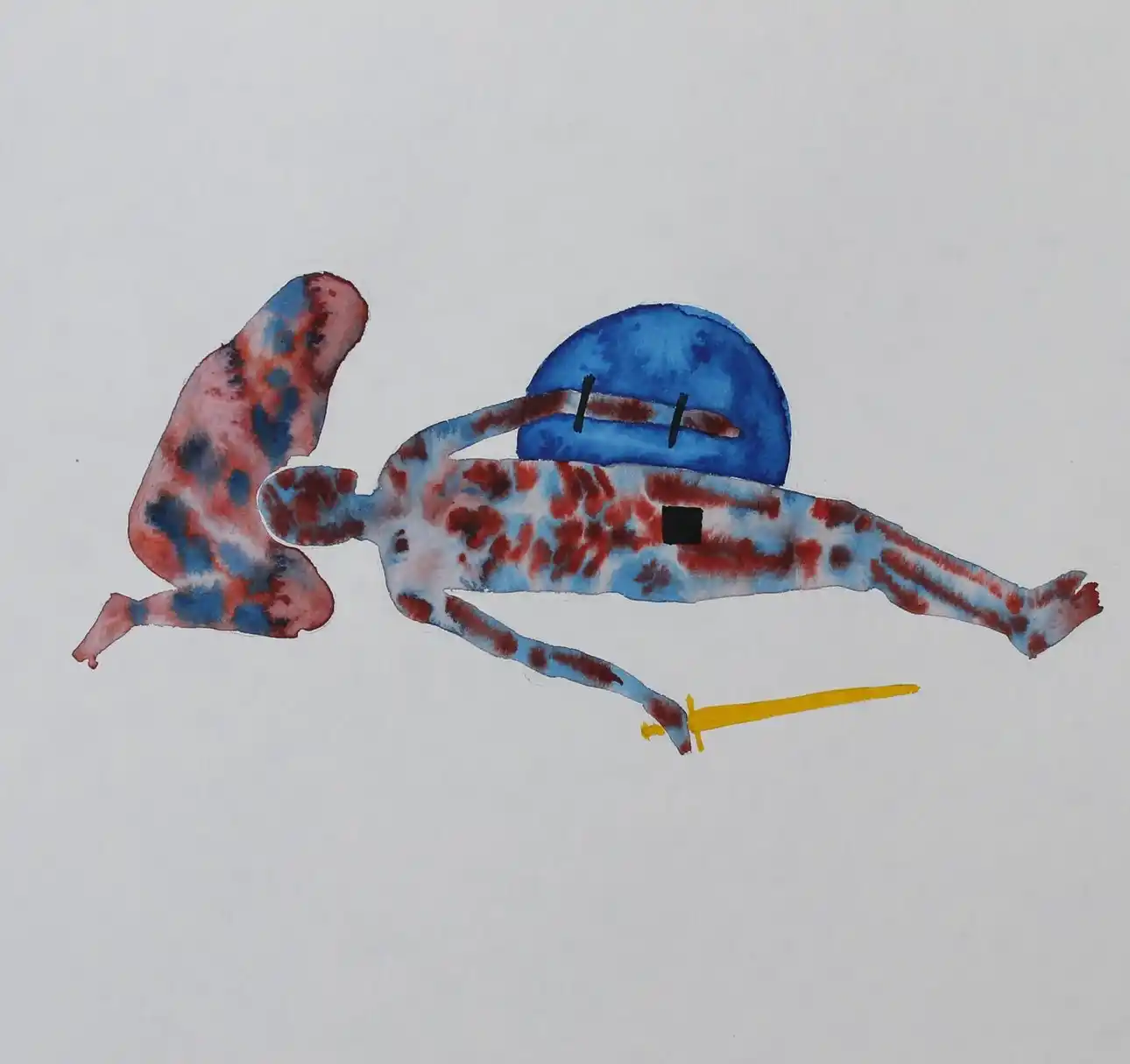
I can’t say anything. I can only draw one watercolor a day. I have no words.





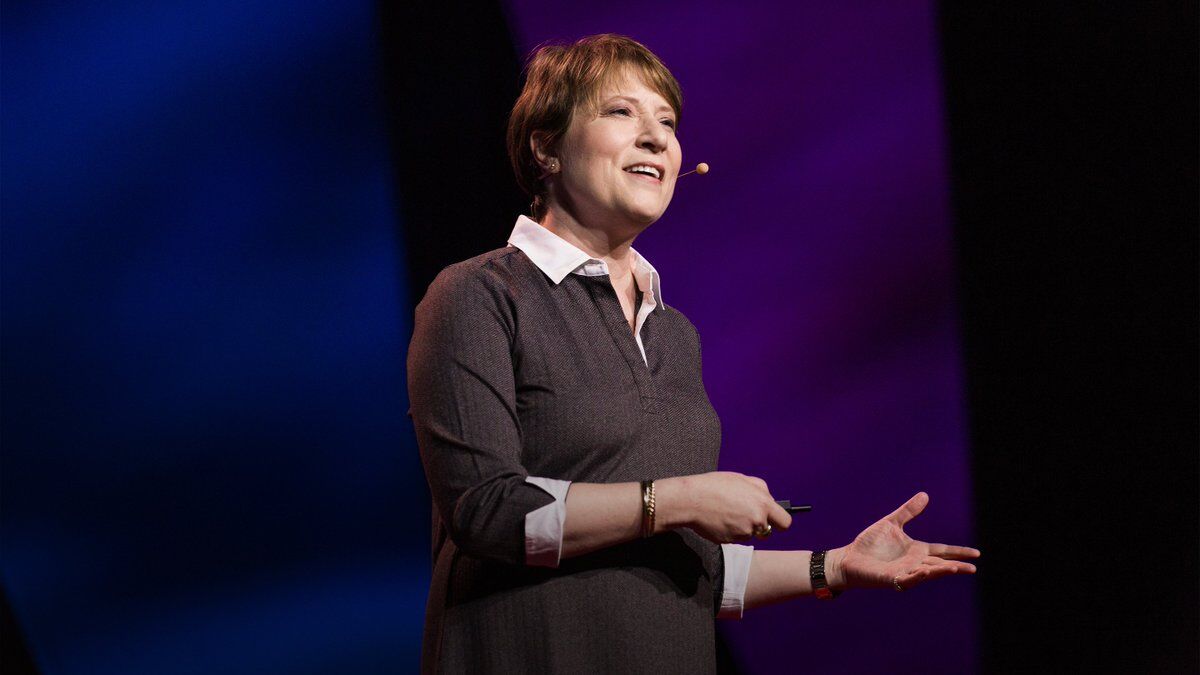
One of the main elements of art therapy and creating art is entering the flow state. That is something that was more recently discovered by my friend Lauren Zalewski / Gratitude Addict and she found this artist who has used her own art as a way of processing her grief from multiple losses. She posted this video of this artist's TED talk on using art to find flow, and how flow helps healing.
Thank you so much, Lauren Zalewski, for sharing your journey in using art in a mindful way to find greater joy and wellness! It warms my heart to see you discover how art works for you in some of the most unexpected ways! Thank you also for sharing with so many other people who can benefit from engaging in many art forms for themselves for their own well-being.
#art #mindfulness #artforwellness
Read her post and blog post from the link below!
~~~~~~~~~~~~~~~~~~~~~~~~~~~~~~~~~~~~~~~~~~~~~~~~~~~~~~~~~~~~~~~~~~~~~~~~~~~~~
My latest piece on how my unexpected week-long vacation turned into a STAYcation and the profound GRATITUDE-boosting and mindful week I had when I decided to UNPLUG!
Thank you Lacy Mucklow, MA, ATR-BC, LPAT-S, LCPAT, ATCS for blessing me and my group with incredibly healing advice on using art for mindfulness and emotional wellness! Your words have resonated deeply with me and so many others!
Enjoy!

An excerpt from her post (thanks for the mention!):

I was contacted a while back from a blogger to check out her site called "Creating My Odyssey" as she started to rebuild her creativity and talk about her mental health experiences. She gave me permission to share one of her entries...and perhaps we will see more of her in the future with collaborative blogs!
When I was depressed, I didn't want to create art, and I felt really disappointed as an adult when I felt that way. As a moody teen and early twenties at home, my mother would say: 'When you feel like that, you should paint.' I appreciate her sentiment now, but I just didn't want to paint, or do anything artistic. She couldn't possibly understand because she wasn't made that way, and she never would. At least she tried, bless her.
But, as an adult, although, when depressed, I didn't have the inner spark to want to create art. I was happy to write though. That was easy. I had had light hearted anecdotal articles published too. And I could write exactly how I felt, particularly if I felt embarrassed and couldn't verbalise what I was thinking, especially if the thought concerned Husband.
For instance, I felt sad about my hobby, the wild west. What? You may well ask. (See what I mean about embarrassment?) I wanted to be a cowgirl, a rough 'n tough, smokin', cursin', drinkin', sharp shootin' frontierswoman. Not stuck at home, looking after family. And I couldn't indulge that hobby much because I didn't have the energy and also I felt out of it because of anxiety among the more intense living history re-enactors who I was anxious may judge (some did, because I was portraying an unconventional female character).
Husband, insightfully, had said long ago when I began to head into depressions, that he could see my hobby rearing its head and being the subject of my depression. I'd be obsessed with something (I was good at being obsessed with things) and the wild west was it. I was writing my novel (about a cowgirl, naturally...) and that did help, although, of course, I wanted my book to be perfect. So, yes – that was a subject I had to write about to make sense of it.
I had considered art therapy. To paint, draw or collage how I felt. That didn't work either. I didn't want to do any of that. In order to express how I felt, I wrote. If I did do anything artistic, the subject would be anything I would normally do, nothing to do with depression or anxiety. That was what writing did for me.
But I did, so much, want to be artistic. And I wanted to be happy working in my 'creative space' (I was too embarrassed – that word again – to call it an art studio) in our conservatory. But I wasn't, for a long time, happy working there. I'd be okay for a short time, then depression would gradually swallow me up. So I wrote a lot, about lots, and not in my creative space. It wasn't until really recently that I began to feel good about being there and being creative. It's taken this long.
And I'm delving into dark, dusty corners and discovering artwork that I'd done in the dark and distant past and forgotten about. 'Wow! That's good!' I've thought, occasionally. No time for modesty, thank you. Anyway, shoving modesty aside, I'm uploading them onto Facebook and my blog and getting lovely responses to them. I'm also on the verge of recreating and organising my art area. And I'm beginning to get quite excited about it. A plant or flowers here, a water feature there, paints here, pencils there, sketchbooks here, boxed canvases there...
Yay! Artistic me is coming back!
It was nice to come across this article, as it supports the effectiveness of art therapy for mental health treatment, especially for PTSD. I hope that the knowledge of art therapy continues to be known around the world as a integral treatment that is on par with or even exceeds the effectiveness of other therapies and should be included in all treatment settings.
While some wounds, like scars, are visible to everyone, other wounds go unnoticed, trapped inside the human mind. Post-Traumatic Stress Disorder (PTSD) is commonly found in veterans. Unfortunately, many veterans don’t get the treatment that they need to recover from this invisible struggle. Oftentimes, veterans are afraid to speak up about their PTSD because they worry about the mental health stigma that accompanies it.
Melissa Walker, an art therapist at the National Intrepid Center of Excellence (NICoE), explains that PTSD shuts down the speech-language area of the brain and renders sufferers speechless with fear. This is the reason why so many of our nation’s bravest return home and suffer in solitude. Recovering from PTSD involves working through these traumatic experiences that the sufferers don’t usually want to talk about. Thankfully, Walker explains that art therapy could be the perfect treatment for PTSD.
Walker says in her TED Talk, “Art Can Heal PTSD’s Invisible Wounds,” that “the process of art therapy bypasses the speech-language issue with the brain. Art-making accesses the same sensory areas of the brain that encode trauma. Service members can use the art-making to work through their experiences in a non-threatening way”. Additionally, the Art Therapy article, “Art Therapy Helping Veterans,” states, “Sometimes a person just can’t face the fact that it is okay to leave the baggage of war behind. By expressing how one really feels in the pit of the soul through the use of art, perhaps the mind can begin to let go of the trauma by transferring the images and ideas to another object of their creation through the medium of art”.

Furthermore, art helps veterans suffering from PTSD reintegrate their left side of their brain with their right side. By creating artwork, PTSD sufferers can slowly learn to voice their experiences and move passed their fears. At the same time, art also allows veterans take their mind off the things that are bothering them at the same time that they are confronting them.
While Walker explains that all types of art can benefit veterans with PTSD, she’s seen the most success in mask-making. Perhaps the reason that mask-making is such an effective therapy is that it allows veterans to give a literal face to their fears. Walker says, “when service members create these masks, it allows them to come to grips, literally, with their trauma. And it’s amazing how often that enables them to break through the trauma and start to heal”.

Additionally, the article, “Healing Invisible Wounds: Art Therapy and PTSD,” by Renee Fabian, also reaffirms the success of mask making. Fabian writes, “Clients examine feelings and thoughts about trauma by making a mask or drawing a feeling and discussing it. Art builds grounding and coping skills by photographing pleasant objects. It can help tell the story of trauma by creating a graphic timeline”.

One of the veterans that Walker worked with at NICoE says that after making masks, he was able to speak up about experiences that he hadn’t been able to talk about for 23 years. He explains, “You sort of just zone out into the mask. You zone out into the drawing, and for me, it just released the block, so I was able to do it.”

In a world where there are so many different treatment plans for physical wounds, it’s nice to know that people are working to help those with invisible ones. Art Therapy could be the perfect treatment for PTSD.

David Lee Roth's brush with art
Interesting....David Lee Roth decided to go the way of a different kind of art, specifically, he spent 2 years studying a particular type of Japanese art called Sumi-e. I always find it interesting when celebrities (or anyone, really) who have been in one kind of artistic career (acting, music) shift to discovering visual art as a new talent and passion they have.