Friday, September 17, 2021

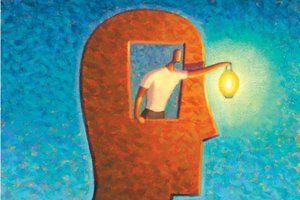
Are Colors Really Emotions?

This is an interesting article that looks at our perceptions of color and how they are connected with emotion rather than being simply refractions of light. Perhaps this is another reason why art therapy works so well with emotional components!

https://www.psychologytoday.com/us/blog/biocentrism/202109/evidence-colors-are-emotions-not-the-properties-light

Evidence That Colors Are Emotions, Not the Properties of Light 

Understanding colors is the first step to understanding the nature of things. 

Posted September 13, 2021 | Reviewed by Kaja Perina 

 KEY POINTS 

  • Colors are deep patterns of emotions and neural connections, not the intrinsic physical properties of light. 
  • We cannot discern the components that make up color any more than we can discern the ingredients in a breakfast cereal. 
  • Understanding the subjective nature of rainbows is the first required leap to the true nature of things. 

What is red? Green? Blue? This may seem like a question too dumb to merit a moment’s contemplation.

The answer is not what you were taught in school. As explained in the new book The Grand Biocentric Design, the answer lies deeper than anyone thought. It involves our very selves.

To understand, let’s start by coming to a stop at a traffic light. We all agree the stoplight is “red,” even though we can never prove that the exact visual experience I call “red” is the same as yours. It doesn’t matter because, whatever it is, it stays consistent, and it has since someone thought to name the colors in the first place.

One of the big puzzles of consciousness is why we experience something called “red” to begin with. To understand the problem, consider the fact that visible light is part of the electromagnetic spectrum, which is a gradient of electromagnetic radiation running from shorter to longer wavelengths, and includes gamma rays, radar, radio, and micro-waves (none of which we perceive as “color”).
Such fields are not “responsible” for the perception of color; indeed, they themselves are wholly invisible. At best, we should experience the visual spectrum as a grayscale continuum ranging from dark to light―a simple quantitative experience. But, for humans and some other animals, it isn’t. Instead, we have a unique qualitative experience.

Colors Are Associated with Deep Built-In Patterns of Emotions 
In 1965, researchers discovered three types of cone-shaped cells in the eye that, when stimulated, are associated with the unique visual sensations of red, green, and blue. Stimulation of each type of cone is associated with a unique experience. But how and why? A clue comes from the fact that fully two-thirds of these cone-shaped cells are the “L type” responsible for the sensation of red. This lopsided majority suggests that perceiving light in that range of the visual spectrum is of higher priority than perceiving other wavelengths of light.

Red likely gets extra attention from the brain because it’s associated with alarming, important events like injury and blood. In life, the sudden presence of that color in your consciousness usually meant either that your bicycle had gone off the road into a field of begonias, or, more worrisome, that blood was pouring down your arm, requiring immediate attention.

This possibility of a life-threatening situation made red the traditional signal of bad news that shouldn’t be ignored. We know this instinctively, which is why no one except a contrarian teenager would dream of painting their bedroom a bright red, at least not if they valued a tranquil environment. This explains why red was universally agreed on as the color for things like warning notices and railroad and, later, automobile stop signals. And why even culturally distinct nations and those antagonistic enough toward the West to want to thumb their noses at new modern conventions didn’t buck this rule. Obviously, the qualitatively attention-getting experience we call “red” is associated with a deep built-in pattern of emotions and neural connections.

A similarly distinct circuitry comprising labyrinthine clusters of cells is connected with the other colors and cones—each associated with separate areas of the brain. When these cell architectures are stimulated via their respective cones in the retina, we have distinctive experiences: blue evokes the vastness of the sky and yields a much calmer feeling than red, and green conveys countless bygone centuries of plants and vegetation and is a comforting invocation of life.

We Cannot Discern the Mix of Components That Make Up Colors 
We believe that these three most basic colors and their various combinations must have had unique survival value during early evolution, and thus they are associated with their own functional pathways in the brain. When the complex relational logic associated with these distinct clusters of cells is brought into the actively entangled region of the brain associated with consciousness, we have discrete sensations even if we rarely give a second thought to the components that make up each of these colors, any more than we can discern the ingredients in mayonnaise or a piece of Cap’n Crunch.

The unquestionable reality is that colors could not be present without our consciousness. Indeed, on a more fundamental level, photons of light themselves only arise upon observation and wave function collapse; experiments clearly show that particles of light themselves do not exist with real properties until they are actually observed.

Understanding Rainbows―The First Required Leap to the True Nature of Things 
When contemplating colors, it’s hard not to consider the colors of the rainbow. The sudden appearance of those prismatic colors juxtaposed between mountains can take our breath away. Like colors, rainbows occur entirely within our skull. But unlike other objects, they have no shared tangibility with other observers.

Indeed, three components are necessary for a rainbow. There must be sun, there must be raindrops, and there must be a conscious eye (or its surrogate film) at the correct geometric location. If your eyes look directly opposite the sun, the sunlit water droplets will produce a rainbow that surrounds that precise spot at a distance of 42 degrees. But your eyes must be located at that spot where the refracted light from the sunlit droplet converges, to complete the required geometry. A person next to you will complete their own geometry and will be at the apex of a cone for an entirely different set of droplets and will therefore see a separate rainbow. Their rainbow is very likely to look like yours, but it needn’t be so. Then, too, if the sunlit droplets are very nearby, as from a lawn sprinkler, the person nearby may not see a rainbow at all. Your rainbow is yours alone.

But now we get to the point: what if no one’s there? Answer: No rainbow. An eye-brain system (or its surrogate, a camera, whose results will only be viewed later by a conscious observer) must be present to complete the geometry. As real as the rainbow looks, it requires your presence as much as it requires sun and rain.

Few would dispute the subjective nature of rainbows, which figure so prominently in fairytales that they seem only marginally to belong to our world in the first place. But it is when we fully grasp that the sight of a skyscraper is just as dependent on the observer, that we have made the first required leap to the true nature of things.

Adapted from The Grand Biocentric Design, by Robert Lanza and Matej Pavsic, with Bob Berman (BenBella Books 2020).

Wednesday, September 15, 2021

Flow State from Creating Art Facilitates Healing

One of the main elements of art therapy and creating art is entering the flow state.  That is something that was more recently discovered by my friend Lauren Zalewski / Gratitude Addict and she found this artist who has used her own art as a way of processing her grief from multiple losses. She posted this video of this artist's TED talk on using art to find flow, and how flow helps healing.

Tuesday, September 14, 2021

Pharmacy Looking to Provide Therapy at Stores

I came across this article reporting that pharmacy chains are looking to incorporate therapy sessions at their store locations. Given the ongoing difficulty of accessing mental health care (which telehealth has also helped), this could provide more availability needed by people. There are pros and cons to everything, but I'm wondering what you all think about this idea personally. Please leave your ideas in the comments below. 


CVS Wants to be Your Therapist, too 
August 31, 2021 

CVS Health Corp. is betting Americans will get therapy at the same place they buy their snacks, soda and prescription drugs. The pharmacy company is among several retailers including Walmart Inc. and Walgreens Boots Alliance Inc., that are experimenting with offering counseling services in or near stores. 

They see potential as the Covid-19 pandemic has prompted more people to seek help for addiction, depression and other issues, according to federal data. “It’s creative and we certainly need the help,” said Ken Duckworth, medical director of the National Alliance on Mental Illness. “It’s an interesting idea to post a mental-health resource at a place where people already are at.” 


The therapist at CVS will see you now
What it's like to get mental healthcare at the retail pharmacy chain.
By Rebecca Ruiz
May 2, 2021


When a client walks into Eve Townsend's office for therapy, they're often carrying a snack, drink, or new prescription.

That's because Townsend, a licensed clinical social worker, provides mental healthcare in a CVS store. Stationed in a nondescript consultation room very much unlike the therapist offices you might recognize from cable television dramas, Townsend's job is to help anyone who asks for support.

The CVS pharmacist might recommend a customer to Townsend after screening them for depression and asking if they want assistance. A client might discover Townsend through CVS brochures and mailers, or by word-of-mouth. Sometimes customers walk into the store to get milk or bread, see signs asking if they'd like to talk to someone about how they're feeling, and decide to take CVS up on the unexpected offer.

What they tell Townsend these days goes something like this: They're stressed, anxious, and often feeling depressed.

"I think a lot of that, I'm quite sure, is related to the COVID-19 pandemic, political discourse, civil unrest, and just individuals actually realizing that what they're going through is a little more beyond what they're capable of handling," says Townsend, who works in a CVS in suburban Philadelphia.

Townsend started her job in late January as part of a pilot to test placing licensed clinical social workers in select CVS stores in Philadelphia, Houston, and Tampa. The company has also posted listings for social workers in places like Phoenix, Brooklyn, Seattle, and Omaha. Therapists are part of the chain's MinuteClinics within their HealthHUBs, which provide a range of health and wellness products and services, including access to a nurse practitioner or physician assistant for treatment of urgent and chronic conditions. The mental health concept is an attempt to solve two major problems.


As a major retailer in the space and owner of the insurance company Aetna, CVS knows that healthcare costs in the U.S. are high. Its own internal data, along with research, suggest that when people receive treatment and care for both their physical and mental health needs, it leads to less spending over time. It makes sense when considering, for example, the patient with diabetes who takes medication to control their blood sugar but whose depression goes untreated. If that depression means they don't exercise or eat well, a prescription can only do so much.

Yet CVS also sees alarming gaps in the country's mental healthcare services. There's a shortage of providers. Many don't take insurance. Wait lists are long. These and other realities make it difficult or impossible for someone to get care when they want it. The aim is to simplify access to mental health treatment, removing from the equation the confusion and complexity of locating a qualified mental health provider. CVS is trying to meet people where they are: in the cereal aisle, picking out nail polish, getting a flu shot, or grabbing a medication refill.

What you won't find, at least on Townsend's watch, is a "cookie cutter" approach to therapy. Townsend, a longtime social worker, practices what she calls "social work 101."

"We are advocates for change," she says, referring to her professional training. This means hearing what a client needs to be holistically well and trouble-shooting how to get those resources. That can include providing social services referrals for someone who is food or housing insecure. Townsend directs people who need psychiatric care or substance misuse treatment to outside providers and support groups. In partnership with the nurse practitioner and pharmacist, she might triage suggestions for someone with multiple health conditions.

The skill set that someone like Townsend possesses is why CVS chose to hire licensed social workers who have a masters degree in the field. Cara McNulty, president of Aetna Behavioral Health and EAP (Employee Assistance Program), says the goal is to bring on therapists from the local community, who know it well and can connect with clients.

"Their interpersonal skills really, really matter, because you get one chance to have that first impression with that person who has reached for help, to make them feel welcome, normalize the situation, reassure them that it's OK, especially reassuring them that it's OK to not be OK," says McNulty.

She's also aware that an empathetic approach will likely appeal to CVS customers wary of seeking mental healthcare because of stigma or past negative experiences. CVS' strategy may be particularly attractive to millennials and Gen Z customers, many of whom may be less worried about stigma and more concerned that a CVS therapist will be more interested in diagnosing them than empathetically listening to them.

SEE ALSO: Police killings are a mental health crisis for Black people. They deserve real solutions. 
Theresa Nguyen, chief program officer and vice president of research and innovation of the advocacy organization Mental Health America, said putting social workers in a non-clinical setting like a CVS store, compared to a doctor's office or hospital, could be transformational. In effect, CVS is reminding people they can get help, that services are available, or catching them at a time when they might "otherwise fall through the cracks," said Nguyen. (CVS has partnered with MHA to discuss improving mental healthcare access at pharmacies, but was not involved in the development of the pilot.)

Nguyen, a licensed social worker who has frequently worked with people experiencing mental health conditions and poverty, said that she often worried about her clients whose symptoms might flair up when they went to fill their prescriptions or get food. If she knew which corner store or pharmacy they frequented, she might feel more confident in their safety.

"If I know people there are friendly and kind, I know this is a safe space for my client to get support," she said. When that wasn't the case, "I would always get worried it's going to get elevated to a 911 call."

 "If I know people there are friendly and kind, I know this is a safe space for my client to get support."
Now that Nguyen works on policy issues, she hears from pharmacy staff that they see customers in distress but don't have the skills or time to help. To Nguyen, making highly-skilled social workers available in a pharmacy can prevent crises for both the customers and employees. She also hopes that it reduces the barriers that keep many people from seeking help and normalizes having a conversation about mental health. If seeing treatment happen in an ordinary place demystifies what it means to talk to a therapist, perhaps more CVS customers will consider pursuing it.

Customers typically come to Townsend after seeing in-store messaging or receiving a referral from the pharmacy. Like other social workers in the same job, she'll perform an initial assessment and listen to what a customer needs, including food, shelter, or assistance with an abusive relationship. Next she'll try to problem-solve the urgent issues, then schedule a future appointment or refer the customer to another mental health provider, if necessary. CVS accepts insurance and Medicaid for Townsend's services, which may cover all or part of the appointment fee. If someone is uninsured, Townsend will see if the customer qualifies for local mental healthcare coverage through county or state resources. Customers can also pay out-of-pocket. The cost varies depending on insurance coverage.

Townsend says there's no predetermined end date to therapy with her. Clients can come and go as they need. Recently she treated an anxious 15-year-old who came in with his parent. They discussed the "cognitive distortions," or negative thought patterns, that kept surfacing in his mind and ways to reframe those thoughts. He returned two weeks later saying he felt better, but he can keep seeing Townsend if he chooses.

"It has given me the opportunity to see diverse populations of people — young ones, older ones — who are seeking support," says Townsend of her new job. "And [for customers] to be able to access the help that they need in a facility or in a forum like this, where you can receive all of these other additional services, is great. It works."

If you need to talk to someone about your mental health, Crisis Text Line provides free, confidential support 24/7. Text CRISIS to 741741 to be connected to a crisis counselor. Contact the NAMI HelpLine at 1-800-950-NAMI, Monday through Friday from 10:00 a.m. – 8:00 p.m. ET, or email info@nami.org.

Wednesday, September 01, 2021

Psychological Fallout from the Pandemic and Its Impact on Behavioral Health

I found an interesting article on the psychological fallout from the pandemic.  It has affected people in many different ways, and they discuss what we know vs. what we don't yet know and the implications for behavioral health.  

https://behavioralhealthnews.org/psychological-fallout-of-the-pandemic-what-we-know-what-we-dont/

Psychological Fallout of the Pandemic: What We Know, What We Don’t

By: Michael B. Friedman, LMSW Calliope Holinque, MPH, PhD

January 1st, 2021

More and more studies confirm widespread psychological fallout from the pandemic. The studies also confirm intuitive expectations about which populations are most psychologically vulnerable—those directly experiencing illness and death, those with economic hardship, frontline health care and other essential workers, and more.

But the published studies do not yet answer several critical questions. Do people having troubled emotional reactions to the pandemic have diagnosable mental disorders? Do increased rates of alcohol and drug use constitute a rise in the prevalence of diagnosable substance use disorders and addiction? How long lasting will emotional reactions to the pandemic be? Will they dissipate as the pandemic and the socio-economic conditions it has engendered come to an end? Will they last long beyond the pandemic itself, creating increased long-term need for behavioral health services?

What We Know

The studies confirm that some of the people experiencing emotional distress have pre-existing mental and/or substance use disorders that have recurred or been exacerbated during the pandemic. But they also make it clear that people, with and without diagnosable disorders, have experienced a broad range of emotional distress—including fears regarding illness and death, desperation regarding economic survival, isolation and loneliness, loss of a sense of control, hopelessness and profound sadness, moodiness, difficulties sleeping, family tensions, and grief.

The studies also indicate that reactions during the pandemic vary substantially. Some people are experiencing high levels of emotional distress; some very little. For some, emotional distress is relatively constant, for some it has declined and for some it has increased. For many people, emotional distress is “up and down.”

The Pulse survey done weekly by the Census Bureau initially showed a decline in emotional distress overall, suggesting some adaptation was taking place. Later, the survey indicated an increase in the number of people experiencing psychological distress, though this may also reflect political and racial tensions as well as the pandemic itself.

All of the studies show that some populations are experiencing more emotional distress than others, including:

  • Those with direct experience of sickness or death due to COVID-19
  • Those without adequate income, food, or housing
  • Healthcare providers and other essential workers
  • People of color
  • People with pre-existing cognitive or behavioral disorders who are at risk for relapse or severe reactions
  • Working parents with children at home
  • Family caregivers.

The one finding that has been surprising to some people is that young adults are more at risk for emotional distress than older adults. But this should not be a surprise because, contrary to ageist perceptions, most older adults are not disabled and in need of help, and most have survived difficult times that have taught them to cope.

Nevertheless, many older adults experience significant emotional distress largely related to their vulnerability to illness and death and due to social isolation.

What We Do Not Know

The surveys unfortunately do not tell us whether reported emotional distress constitutes diagnosable mental or substance use disorders because diagnosing these conditions typically requires an interview or more in-depth questioning. The surveys are essentially screening tools rather than diagnostic instruments.

Whether or not they provide an adequate indication of diagnosable behavioral health conditions, they certainly do not answer the critical question of whether the psychological reactions to the pandemic will be long-lasting. After all, even some “serious” disorders, are transient, and some people will certainly experience adaptation and resilience over time.

In general, we do not know to what extent psychological reactions will diminish as the pandemic and its economic consequences diminish and to what extent there will be lingering emotional damage.

Implications for Behavioral Health Policy

Telehealth: Some behavioral health need is being met via tele-mental health. Unfortunately, many of the rule changes that support use of tele-health are temporary. They need to be made permanent. In addition, tele-health is not available to everyone due to lack of internet access, lack of needed hardware, and lack of technical skill. These issues need to be addressed.

Social Determinants: It is also essential to address the social determinants of emotional distress—economic hardship, persistent racial/ethnic inequities, the vitriolic political divide, and more. It is time for our society to face up to the social determinants of physical and behavioral health.

A Mental Health Tsunami? The claim made by some that there is a second pandemic coming—a tsunami of mental illness and substance abuse—is neither confirmed nor disconfirmed by existing studies. We do not know how long lasting and severe the lingering psychological effects of the pandemic will be.

Unmet Need: Whether or not there is a behavioral health tsunami, we know that our nation’s capacity to respond to behavioral health needs is woefully inadequate. We know that there are, and will continue to be, fault lines in American society that will continue to contribute to mental and substance use disorders if they are not addressed more effectively.

The pandemic has highlighted long-standing failures to meet America’s behavioral health challenges. It is long past time to act.

Michael B. Friedman taught at Columbia University School of Social Work before he retired. He is currently volunteer Chair, AARP Maryland Brain and Behavioral Health Advocacy Team. Calliope Holinque, MPH, PhD, is a postdoctoral research fellow at Kennedy Krieger Institute and the Johns Hopkins Bloomberg School of Public Health.


Friday, August 27, 2021

Coloring Testimonials Continue to Amaze!

I am always amazed when I hear testimonials about how our coloring books have impacted people in a positive and meaningful way.  Someone contacted me as they were trying to locate a "Color Me Grateful" book to finish their collection, and shared more (completely unsolicited) about how these books have helped them through a chronic condition, as well as help teens open up more with discussion.  This is wonderful!

"I am a pastor and social worker by training, but I have a chronic neurological disorder that has made me disabled and unable to work professionally, for the past 15 years. I discovered coloring, when one of my kids gave me a book a few years ago! The series that you and Angela Porter have created has added so much happiness to the endless hours I have to sit in bed. In recent years, I have started sharing your books with my nieces and teenage daughters of some of my friends, who are struggling with depression and growing up, in general. We color together, and they end up talking to me about what’s happening in their lives and minds. Your books have become the catalysts for meaningful conversation and bonding with some kids who often find it difficult to express themselves, and tend to suffer inside their own minds.  I wholeheartedly want to thank you for making the world a better place!!"   

If you have your own story, please let me know!  You can comment below or send me a message.  I love to hear how the books are benefitting you!  Thanks so much.


Virtual Run/Walk to Break the Stigma

I'm going to be doing this virtual walk to benefit NAMI and raise awareness for Mental Illness while eradicating the stigma around having it and getting treatment for it.  Come join me!

https://runsignup.com/Race/DC/Runfromanywhere/MentalIllnessAwarenessVirtualRunWalk


Tuesday, August 24, 2021

The Art of the Unplug by Gratitude Addict Lauren Zalewski

Thank you so much, Lauren Zalewski, for sharing your journey in using art in a mindful way to find greater joy and wellness!  It warms my heart to see you discover how art works for you in some of the most unexpected ways!  Thank you also for sharing with so many other people who can benefit from engaging in many art forms for themselves for their own well-being.

#art #mindfulness #artforwellness

Read her post and blog post from the link below!

~~~~~~~~~~~~~~~~~~~~~~~~~~~~~~~~~~~~~~~~~~~~~~~~~~~~~~~~~~~~~~~~~~~~~~~~~~~~~

My latest piece on how my unexpected week-long vacation turned into a STAYcation and the profound GRATITUDE-boosting and mindful week I had when I decided to UNPLUG!

Thank you Lacy Mucklow, MA, ATR-BC, LPAT-S, LCPAT, ATCS for blessing me and my group with incredibly healing advice on using art for mindfulness and emotional wellness! Your words have resonated deeply with me and so many others!

Enjoy!

“THE ART OF THE UNPLUG” – FINDING GRATITUDE ON MY WEEK LONG “STAYCATION!”

An excerpt from her post (thanks for the mention!):

Ironically, the week prior to this vacation, I interviewed a famous art therapist and author on my live broadcast, “Gratefully Living the Chronic Life.”  Lacy Mucklow is a New York Times bestselling author and has put out numerous adult coloring books, one of them entitled, “Be Grateful and Color.”  She was an incredible guest who shared with us for the hour about how we can use art for healing.  Her underlying message was that art is personal, there is no right or wrong way to do it, and it is an incredibly mindful and healing tool we can all use in our lives.  She talked about overcoming our fear of doing something “wrong” and not holding back.  Her message really resonated with me and made me want to paint even more.

Read the entire story here:


Friday, August 20, 2021

Why Do People Become Therapists?

Some people wonder why we become therapists.  This study discovered that people become therapists and stay in the field - despite the challenges in a lot of different ways - because they want to help people improve, simple as that.  It is a great reward to see people feel better.

https://www.psychotherapynetworker.org/blog/details/667/why-would-anybody-become-a-therapist

Why Would Anybody Become a Therapist?

Reflecting on the Soul of Our Professional Identity

Barry L. Duncan

It’s no secret to anybody in our field that this is a tough time to be a therapist. In public agencies, we’re underpaid, overworked, and held to unattainable “productivity standards” (24 to 28 client hours a week; 30 to 34 scheduled appointment hours to make up for cancellations and no-shows). We’re subjected to a continual onslaught of paperwork to secure payments, and frequently face cutbacks and layoff threats. While some of us still thrive in private practice, most of us make far less than we did during the “golden age” of fee-for-service insurance reimbursement. Furthermore, the nature of clinical work often is frustrating, even anxiety-provoking, exposing us to high levels of human suffering.

Adding insult to injury, the culture at large doesn’t seem to admire therapists particularly, or understand what we do. This point is clear if you take a moment to think about the portrayals of therapists by Dr. Marvin Monroe of The Simpsons or Jack Nicholson in Anger Management or Barbra Streisand in Meet the Fockers. Sure, good examples of competent clinicians exist, but they’re far outweighed by those that cast us as self-indulgent crackpots endlessly mouthing psychobabble. So, why would anybody choose to enter such a field?

To be sure, most of us didn’t choose this work because we thought we’d acquire the lifestyles of the rich and famous. A massive, 20-year, multinational study of 11,000 therapists conducted by researchers David Orlinsky of the University of Chicago and Michael Helge Rønnestad of the University of Oslo not only has the answers, but captures the heart of our aspirations and perhaps the soul of our professional identity.

For their book published in 2005, How Psychotherapists Develop, they collected and analyzed detailed reports from nearly 5,000 psychotherapists about the way they experienced their work and professional development. Since then, 6,000 more therapists have participated in the study. Therapists stay in the profession, they found, not because of material rewards or the prospect of professional advancement, but because—above all—they value connecting deeply with clients and helping them to improve. On top of that, the clinicians interviewed consistently reported a strong desire to continue learning about their profession, regardless of how long they’d been practicing. Professional growth was cited as a strong incentive and a major buffer for burnout across the board.

Orlinksy and Rønnestad termed both what therapists seek in their professional careers and the satisfaction they receive from the work they do healing involvement. This concept describes therapists’ reported experiences of being personally engaged, communicating a high level of empathy, and feeling effective and able to deal constructively with difficulties. Healing involvement represents us at our best—those times when we’re attuned to our clients and the path required for positive change becomes clearly visible; those times when we can almost feel the “texture” of our therapeutic connection and know that something powerful is happening. But what causes this, and more important, how can we make it happen more often?

We all know that healing involvement isn’t simply an inevitable outcome of sitting in an office with troubled and unhappy people for many years. According to Orlinsky and Rønnestad, it emerges from therapists’ cumulative career development, as they improve their clinical skills, increase their mastery, gradually surpass limitations, and gain a positive sense of their clinical development through the course of their careers.

But an even more powerful factor promoting healing involvement is what the authors call therapists’ sense of currently experienced growth—the feeling that we’re learning from our day-to-day clinical work, deepening and enhancing our understanding in every session. Orlinsky and Rønnestad suggest that this enlivening experience of current growth is fundamental to maintaining our positive work morale and clinical passion.

According to their study, the path to currently experienced growth is clear. It’s intimately connected to therapists’ experiences with clients and what they learn from them, and is unrelated to workshops and books trumpeting the latest and greatest advances in our field. Almost 97 percent of the therapists studied reported that learning from clients was a significant influence on their sense of development, with 84 percent rating the influence as “high.” It appears therapists genuinely believe that clients are the best teachers. But the finding that most impressed Orlinsky and Rønnestad was therapists’ inextinguishable passion to get better at what they do. Some 86 percent of the therapists in the study reported they were “highly motivated” to pursue professional development. It appears that no matter how long they’ve been in the business, therapists still want to learn more and get better.

To the question, “Why is our growth so important to us?” Orlinksky and Rønnestad posited a close link between healing involvement and currently experienced growth. The ongoing sense that we’re learning and developing in every session gives a sense of engagement, optimism, and openness to the daily grind of seeing clients. It fosters continual professional reflection, which, in turn, motivates us to seek out training, supervision, personal therapy, or whatever it takes to be able to feel that the developmental process is continuing. Borrowing a term from the late Johns Hopkins psychiatrist and common-factors theorist Jerome Frank, having a sense of currently experienced growth “remoralizes” therapists, repairing the abrasions and stressors of the work and minimizing the danger of falling into a routine and becoming disillusioned. “[It] is the balm that keeps our psychological skin permeable,” said Orlinsky. “Many believe that constantly hearing problems makes one emotionally callused and causes one to develop a ‘thick skin.’ But not therapists. We need ‘thin skin’—open, sensitive, and responsive—to connect with clients.” Currently experienced growth, then, is our greatest ally for sending the grim reaper of burnout packing—we need to feel we’re growing to fend off disenchantment.

The Importance of Measuring Outcomes

Achieving a sense of healing involvement requires a continual evaluation of where we are compared to where we’ve been. We must keep examining our clinical experiences, looking for evidence of our therapeutic mastery and mining our sessions for the golden moments that replenish us. But if our sense of healing involvement with clients is tied to our ongoing sense of making a difference, how do we know we’re truly helping? You know when a roof is tarred or a tank drained, but how do you know when psychotherapy is beneficial? Therapeutic outcomes are hard to define and harder to measure.

The research literature offers strong evidence that therapists aren’t good judges of their own performance. Consider a study by Vanderbilt University researcher Leonard Bickman and associates reported in 2005 in the Journal of Clinical Psychology: In Session in which clinicians of all types were asked to rate their job performance from A+ to F. About 66 percent ranked themselves A or better. Not one therapist rated him- or herself as being below average! If you remember how the Bell Curve works, you know that this isn’t logically possible.

It’s not that we’re naïve; it’s simply hard, if not impossible, to accurately assess your effectiveness on a client-by-client basis. For this, you need some quantitative standard as a reference point—you need to measure outcomes. I can hear you groan, but I’m not talking about outcome measurement for the sake of bureaucratic “accountability” to funding sources or for justifying your existence by demonstrating your “proof of value” or “return on investment.” Rather, measuring outcomes allows you to cut through the ambiguity of therapy, using objective evidence from your practice to help you discern your clinical development without falling prey to that perennial bugaboo of the therapeutic endeavor: wishful thinking. Taking the time to measure outcomes relates directly to both having an awareness of our mastery over time and experiencing a sense of current growth.

How does outcome measurement further cumulative career development and currently experienced growth—the two keys to greater healing involvement with clients? First, cumulative career development is another way of saying that we’re “getting better all the time.” The routine collection of outcome data allows you to determine your effectiveness over time, and gives you a base for trying out and accurately evaluating new strategies. Begin simply by entering your outcome scores into a database, and keeping track of them on an ongoing basis: intake and final session scores, average change score (the difference between average intake and final session scores), and, ultimately, the percent of your clients who benefit. If you can review and assess your clinical work through the years, you can actually learn from your experience, rather than simply repeating it and hoping for the best.

Of course, finding out how effective you really are can be risky business. What if you find out that you’re not so good? What if you discover that you’re—say it isn’t so!—just average? Measuring outcomes takes courage, but so did walking into a consulting room for the first time to counsel someone in distress—and so does doing it day in and day out.

The Orlinsky and Rønnestad study contains important information about who we are and what we have to do to remain a vital force in our clients’ lives. It shows that our professional growth is a necessary part of our identity, as is our need to harvest the experiences that replenish us. It’s not enough to be soft-hearted and empathetic. Therapists need to have a keen sense of reality-testing to keep their heads above water in this field and make sure their work continues to be fulfilling.

***

This blog is excerpted from "What Therapists Want" by Barry Duncan. The full version is available in the May/June 2011 issue, Achieving Excellence: Do We Need a New Model?

Photo © Rob Colvin/Images.com/Corbis

Tuesday, August 17, 2021

Art Is Not Always About Pretty Things....


Defense Secretary Works to Reduce Stigma for Military Mental Health Treatment

I know it's still a long road ahead, but I'm aware that a lot of people in the military are working on eliminating the stigma that has often accompanied getting mental health treatment and normalizing it as much as physical/medical treatment.  More than anyone else, they should know all the difficulties that can come with serving in the armed forces.  It applies to humanity in general, but I hope that everyone in the military sees the massive value of treating mental health and the whole person for an effective national force.  Not only does it help the service member, it helps their families as well.

https://www.usatoday.com/story/news/politics/2021/07/26/defense-sec-lloyd-austin-troops-mental-health-health-period/8090427002/

'Mental health is health. Period.' 

Defense Secretary Lloyd Austin decries stigma in message to troops


WASHINGTON – Defense Secretary Lloyd Austin expressed deep concern about suicide among troops during a visit to U.S. forces stationed in Alaska where there has been an alarming spike in those deaths. 

At least six soldiers have died by probable suicide in Alaska since Dec. 30, and suicide is suspected in several others, USA TODAY has reported. That surge has followed several years of increases in suicide deaths among troops across the armed services.

In 2018, 326 active-duty troops died by suicide, with the toll increasing to 350 in 2019 and 385 in 2020, according to the most recent Pentagon figures. The number of suicide deaths fluctuates over time as investigations establish the cause of death.

Austin cited stress on troops and the stigma of seeking treatment for mental health issues as contributing factors. Last week, Army experts and Defense officials cited the stress caused by life in the military, demands for troops to confront China's rising influence and access to counseling.

"I'm mindful of the stress that they're often under and I'm deeply concerned about the suicide rates, not only here but across the force," Austin told reporters Saturday during a visit at Eielson Air Base in Alaska. "As you've heard me say before, one loss by suicide is too many and while we're working hard on this problem, we have a lot more to do. And I believe that has – it has to start with removing the stigma attached to mental health issues."

Austin raised the issue of suicide in nearly every visit he had with military, civilian and tribal leaders during his visit to Alaska, according to a Defense official who was not authorized to speak publicly about the meetings.

In Alaska, the suicide toll in 2021 among the roughly 11,500 soldiers stationed there already has nearly matched last year when seven soldiers died by suicide while stationed with U.S. Army Alaska. The main Army posts there are Fort Wainwright in Fairbanks and Joint Base Elmendorf-Richardson in Anchorage.

Soldiers based in Alaska face minus 60-degree cold, frequent training and deployment and geographic and social isolation. The relatively high cost of living, alcohol abuse and sleep disorders in the Land of Midnight Sun and its long, dark winters can be problematic as well. Alaska's civilian population had the second highest suicide rate in the nation in 2019, according to the CDC. The Army has spent more than $200 million in recent years in Alaska to combat suicide by improving living conditions there.

Army officials have stressed the need to treat mental heath issues the same as physical ailments to alleviate the stigma of seeking help. Austin emphasized that point in his remarks.

"Mental health is health period," Austin said. "And we have to approach it with the same energy that we apply to other – any other health issue, with compassion and professionalism and resources. And so if you're hurting, there are resources available."

Service members and veterans who are in crisis or having thoughts of suicide and those who know a service member or veteran in crisis can call the Military Crisis Line/Veterans Crisis Line for confidential support 24 hours a day, seven days a week, 365 days a year. Call 1-800-273-8255 and Press 1 or text 838255 or chat online at VeteransCrisisLine.net/Chat.

Tuesday, August 10, 2021

"Gratefully Living the Chronic Life" features Lacy Mucklow on Live Show

I'm honored that Lauren Zalewski/Gratitude Addict contacted me to be a part of her show, "Gratefully Living the Chronic Life," to talk about art therapy as well as how creating art can help those dealing with chronic pain. Tune in live this Thursday, August 12th at 8 pm ET. 


"Join me LIVE this Thursday, August 12 at 8pm EST for our latest episode of "Gratefully Living the Chronic Life!" My special guest this week will be art therapist and NY Times bestselling author, Lacy Mucklow, MA, ATR-BC, LPAT-S, LCPAT, ATCS. 

I'm so excited to have Lacy joining me for the hour where she'll be sharing her expertise of art as therapy and how we can use it to boost our GRATITUDE and overall emotional wellness! 

Enjoy art but don't consider yourself "artistic?" Me too! Lacy will be sharing with us some simple ideas on how art can (and is!) accessible and doable for anybody and why we should be exploring our creativity to open our eyes to the beauty that life has to offer and to heal from emotional pain. 

About Lacy Mucklow, MA, ATR-BC, LPAT-S, LCPAT, ATCS 

"Lacy is an art therapist who has been practicing in the Washington, DC area since 1999 and currently works in private practice with all ages and in partial hospitalization with active duty service members. Lacy obtained her MA in Art Therapy from The George Washington University and holds a BA in Psychology with a Studio Art Minor from Oklahoma State University. She is a Licensed, Board Certified Art Therapist and is an Art Therapy Certified Supervisor. 

Lacy is also a New York Times bestselling author and National Bestseller with her coloring book series for adults ("Color Me Calm," "Color Me Happy," "Color Me Stress-Free," "Color Me Fearless," "Color Me to Sleep," and "Color Me Grateful") and has also authored an art journal for mothers and their children to communicate through art in response to prompts in "Mom and Me: An Art Journal to Share, Connect, and Create." She has been interviewed globally for magazines, newspapers, and podcasts about the adult coloring phenomenon and its benefits for people and has presented for the Smithsonian Resident Associate Program and was featured on "CBS Sunday Morning." To help people further reduce their stress, Lacy has also released a mindfulness meditation album entitled "Lavender Dreams," and is releasing her second album, "Lavender Destinations," this year - both with original guided imagery and music." 

Lacy will be on hand with us for the hour to share her expertise, ideas, and to answer any questions or comments you may have!!! LIVE viewers will be entered to win a free, autographed copy of one of Lacy Mucklow's coloring books, "Be Grateful and Color: Channel Your Stress into a Mindful, Creative Activity"!! 

 **episode will be recorded for later viewing.**  

Event: 

We had a great time and the hour went by quickly!  Watch a recording of the broadcast here:


Monday, July 26, 2021

You Don't Need to be an Artist to Benefit from Art Therapy

I saw this and did have to chuckle.  I don't know if other artists have heard this a lot, but I actually hear it all the time in art therapy sessions.  The nice thing about art therapy is that you don't have to be an artist to be able to benefit from it.  I tell clients who say this to me, that stick figures - or even less - are fine, as long as they know what their artwork means and represents to them. :)

Friday, July 16, 2021

Progress is not a straight line

This is something that I tell clients often - that progress in therapy is not a straight line.  There are ups and downs, two-steps-forward-one-step-back kind of progression.  As you learn new coping skills, discover new things, gain more insight, and work hard in your therapy, the end result is reaching your goal at the top.  But it's typically not that straightforward - and that's OK - and normal.

Monday, June 28, 2021

Lacy is an Approved Supervisor for Kentucky's LPAT

Happy to announce that I passed and now am an approved art therapy supervisor for the Kentucky license!  Now I am officially an LPAT-S! 😁  Anyone need supervision? 

Thursday, June 17, 2021

Lacy Authors Article for Coping Magazine on How Art Therapy Helps People Cope with Cancer

I'm very honored to be asked by Coping with Cancer magazine to write an article for the May/June 2021 issue about using art as a way for survivors to cope with cancer. I'm thankful for the opportunity and I hope it helps others deal with this dreaded disease.

The Art of Coping with Cancer


Art Therapy Can Help You Process Your Emotions and Find Inner Healing

by Lacy Mucklow, MA, ATR-BC, LPAT, LCPAT, ATCS

What do you know about art therapy? Though art therapy is a lesser-known field, it is a growing form of psychotherapy. It is defined by the American Art Therapy Association as “an integrative mental health and human services profession that enriches the lives of individuals, families, and communities through active art-making, creative process, applied psychological theory, and human experience within a psychotherapeutic relationship.”

Studies have shown that art therapy has many benefits for cancer survivors, especially those currently undergoing cancer treatments like radiation and chemotherapy. Art therapy can help reduce symptoms of depression, anxiety, fatigue, pain, and distress in people diagnosed with cancer.

When you color, it allows your brain to focus on something creative. Plus, the repetitive action of coloring can be meditative and soothing.

Across the ages, the process of creating art has been recognized as being emotionally healing. It allows people to visually express their innermost being and can bring about calm, insight, and understanding. For many people, expressing themselves through art is easier than communicating with words. Art allows cancer survivors to focus on something other than their disease, helping them to process what is going on internally and then expressing it through their artwork.

Here are some creative ways you can use art to help you cope with cancer:

  • Coloring As a creator of adult coloring books, I have received several testimonials from cancer survivors who have said that coloring during their chemo treatments helped them relax. When you color, it allows your brain to focus on something creative. Plus, the repetitive action of coloring can be meditative and soothing. Other benefits of coloring include improved mood, reduced stress, and boosted creativity.
  • Mandalas Mandala is the Sanskrit word for “sacred circle.” Mandalas have been used in cultures around the world for centuries. Creating artwork using a circular guideline has meditative properties. Studies have shown that creating mandalas reduces stress and anxiety, and increases focus and concentration.
  • Zentangle® The Zentangle Method (zentangle.com) is an easy-to-learn, relaxing, and fun way to create beautiful images by drawing structured patterns, called tangles. Zentangle is thought to be a meditative method of art. Some cancer survivors have found that Zentangle helps them feel less anxious and more calm.
  • Collage For those who don’t feel particularly confident drawing, painting, or sculpting, collaging is a wonderful way to express yourself. To get started, simply grab some magazines, catalogs, or any other paper product containing words and images that you have around the house. Then, tear or cut out images and words that capture how you are feeling. Lastly, glue them onto paper in any arrangement that speaks to you. You can even augment your collage with your own writing or drawing. Finding images and words for your collage and reflecting on what they mean to you can help you process your emotions, discover things you didn’t know about yourself, and even communicate to others things that may be difficult to verbalize.

If you are interested in learning more about how art therapy can help you cope with cancer, ask your healthcare provider to refer you to art therapy services in your area or online. Art therapists work in treatment centers with cancer survivors and their families, as well as in groups for people who are recently diagnosed with cancer, currently undergoing treatment, or who have entered survivorship.

If a professional art therapist isn’t available in your area, pursuing art on your own can still provide some therapeutic benefits. Any of the techniques listed above are a fantastic way to get started.


Lacy Mucklow

Lacy Mucklow is a licensed, board-certified art therapist who has been practicing in the Washington, DC, area since 1999. She has published seven books and has released one relaxation album, with a second album currently in production. She is also a thyroid cancer survivor.

This article was published in Coping® with Cancer magazine, May/June 2021.